November 2026
 November 2026
Commit to Remit – Type 2 Diabetes, That Is
With nearly 1 in 6 adults in the US having Type 2 diabetes (T2D) – otherwise known as age- or lifestyle-related diabetes (vs Type 1 or Juvenile diabetes) – it is endemic enough to warrant much study and efforts to reduce its impact and costs. Getting long-term blood sugar control (A1C) is a goal that can be achieved with weight loss (hence the popularity of weight loss meds such as Ozempic, Wegovy, etc.), lower-carb diets, increased physical activity, and pharmacological interventions. The question as to complete remission of the disease remains: can someone with T2D completely avoid glucose-lowering medications once they get their A1C below the 6.5% threshold?
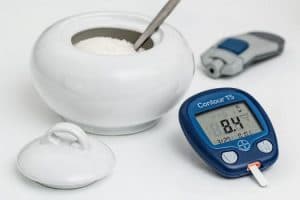
A review of this question in Medscape Now (Oct. 2026) found, from a “meta-analysis of 18 nonsurgical randomized controlled trials …published between 2008 and 2025 …[there is] a higher likelihood of remission with non-pharmacological interventions … and with multimodal pharmacological interventions [diet and exercise] compared with control.” However, these approaches had lower remission rates at longer follow-up intervals, suggesting that more clinical attention be given to sustaining the efforts that got to remission.
Weight loss appears to be the “principal lever” as those who lost less than 10% of their starting weight had lower rates of remission than those who lost 10% – 19%: 5.4% vs 48.4%!
Plus, those on lower carb diets (25 – 30% of total calories) vs those on standard (45% – 60% carbs) diets had higher remission rates: 62.5% vs 35.3%. Aerobic training reduces A1C by 0.5 – 0.7 points and resistance training improves insulin sensitivity by 10 – 15%. Combined training yields even better results.
All this to say, you must commit to remit.
Breaking News: Exercise, Healthy Diet Reduce Disease Risk
A group of Brazilian researchers did a narrative review exploring various forms of physical activity as “one of the most important lifestyle choices for reducing disease risk and improving overall health”. They focused on how exercise improves physiology, neurochemical systems, trophic factors, myokines, and hormones, increases aerobic capacity, and reduces inflammation thereby enhancing quality of life (QoL).
Exercise induces structural and functional neuromuscular morphology, regeneration, and recovery after injury or from age-related damage. Hormones and other signaling mechanisms that contribute to mood stability and “positive effects on cognitive functions and hippocampus plasticity” are enhanced. Self-esteem and self-efficacy tend to improve in those who undertake a fitness regimen.
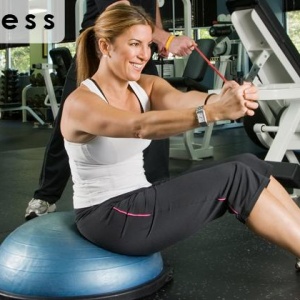
Studies show pre-natal exercise helps not just the mother but the fetus and early developmental years of the child. Among all the health benefits from cardiovascular fitness, some that receive less attention but are crucial for QoL and longevity are social well-being, better mood regulation, and reduced anxiety and depression in older adults.
The growing evidence for the role of skeletal muscle mass as a “reciprocal endocrine hub” capable of coordinating with the heart, brain, and gut reinforces the value of muscle strengthening exercises.
The metabolic benefits of muscle building exercises are cumulative and transient but able to “progressively shape systemic adaptation”. In sum, this review confirms what we already know – that exercise is medicine. If you’ll take it.
Front. Sports Act. Living, Sept. 2026
Tid Bits
A French study of 112,395 adults who recorded what they ate and drank for 3 consecutive days twice a year for 7-8 years, estimated dietary preservative consumption. “Those consuming the highest amounts of non-antioxidant preservatives had a 29% higher risk of developing hypertension, while the highest consumers of antioxid-ant preservatives like vitamin E had a 22% higher risk of hyperten-sion.” European Soc Cardiology, May 2026
A fitness-based prehab program might help you handle surgery better. A meta-analysis of 42 studies consisting of 4825 adults who did aerobic exercise before major surgery. Some studies had subjects do workouts under supervision while others worked out on their own. Supervised exercise was linked to ~40% lower odds of complications especially if the routines included some high-intensity elements. While no studies did head-to-head comparisons of supervised vs unsupervised exercise routines, the authors concluded that “[s]upervised high-intensity exercise programmes significantly reduced postoperative complications.” Harder pre-exercise makes for easier post-recovery. Brit J Anaesth Oct. 2026
Cytokines such as adiponectin, leptin, and IL6 are released from fat cells and are believed to regulate bone remodeling. IL6 is also released from muscle contraction. A study of 22 overweight, premenopausal women divided half into a 3/wk, 16 wk exercise program of high intensity interval training while the other half went about their regular routines. Blood testing after each session looked for the above-mentioned as well as other markers of bone formation. Bone mineral density was measured before and after the 16 wk training period. Muscle contraction indeed elevated IL6 “which might have subsequently enhanced bone formation.” Also, changes in adiponectin and other blood markers “suggested the possibility of an increase” in receptors in osteoblasts, the bone building cells. J Bone, July 2024