 May 2026
Senior Strength Training Benefits Last If….
In 1990, a superbly designed strength training (ST) program for 90-year-olds showed that they could increase strength, mobility, independence, and reverse frailty. (Fiatarone et al., JAMA June 1990) The race was on to prove the how’s and why’s again and again. And if benefits were maintained once the program stopped.
Thirty years later a Danish study investigated the long-term benefits of a year-long supervised heavy (HST) or moderate (MST) intensity ST program – a rarity in exercise science – in 451 62-70 year olds. (A control group did not exercise.) They measured muscle power, muscle-strength, muscle-mass, physical function, body composition, hippocampus volume (a part of the brain associated with memory), and physical and mental well-being, pre- and post- training for the next year. They compared those who continued the ST program for >9 months vs those who stopped sooner during the 1-yr follow-up period.
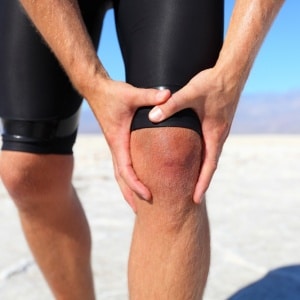
Interestingly, only knee extension/quadriceps strength in the HST group was “preserved” at follow-up at 7% higher than baseline. As expected, those who continued training on their own experienced less decline in strength compared to the group that stopped.
Also, as expected, while the HST improved whole-body lean mass during the year of supervision, this benefit was “erased” at 1-yr follow-up. Waist circumference continued to decrease in those who continued training while increasing in those who stopped.
Much as you would expect, the conclusion noted “it is required to continue with physical activity to benefit from the long-term effects of strength training upon muscle function and health in older men and women.”
So don’t stop a good thing once you start.
Experimental Gerontol Oct. 2020
Whole-Body Electric Stimulation: Good, Bad, or Meh?
Electrical muscle stimulation, or EMS, has been around for eons, used in physical therapy and pain management. By sending controlled electrical currents at regulated intervals, muscles can be excited to contract, which can be therapeutic – by retraining injured or spastic muscles to regain strength and their natural contract-relax modes or by resetting nerve signals that inappropriately cause pain. Recently, commercial applications have taken EMS from therapy to Rocky IV (where the Russian, Drago, used it to build bigger muscles) to Green Hills, selling whole-body EMS (WB-EMS) as an alternative, or adjunct, to traditional resistance training.
A laboratory study of the acute effects of a bout of WB-EMS on skeletal muscle damage, kidney function, and metabolic stress was performed on sedentary adults. Since severe muscle damage has been reported in the literature, understanding the time course and magnitude of biochemical effects after WB-EMS training would prove valuable to practitioners and professionals.

The WB-EMS program entails wearing a rig with electrodes that increasingly generate electrical signals to make large groups of muscles fire while performing unresisted exercises like squats.
One group of subjects did the exercises with EMS, the other did them without. Venous blood and urine samples were collected at 24, 48, and 72 hours.
For novice WB-EMS users, “marked skeletal muscle damage” was noted even though perceived exertion was low. While no acute renal dysfunction was observed, the magnitude of biomarker responses confirmed the level of strain experienced. The researchers concluded that WB-EMS is a safe – effective? To be determined – protocol so long as “careful progression” is individualized to the user’s abilities. Just like any resistance training program.
MSSE Mar. 2026
Tid Bits
Shoulder pain if often attributed to rotator cuff (RC) pathology. A literature review estimated the effects of strength rehabilitation programs on pain and functional outcomes. Rehab had moderate effects on external rotation strength and small effects on abduction, internal rotation, flexion, and scapular muscles. They concluded “Interventions that included strength training or active exercises had small to moderate effects on all strength outcomes. Interventions without exercises or strength training had no effects.” JOSPT Dec. 2025
Patellofemoral pain (PFP), aka anterior knee pain, is a catch-all phrase for pain that does not have a specific, easily-identifiable cause. A systematic literature review assessed the evidence of risk factors and preventive strategies, finding 24 prospective observational studies and 12 randomized control studies that met their criteria. It found that most studies focused on biomechanical risk factors while few looked at psychosocial, behavioral, and neurobiological ones. Preventive strategies included orthotics, exercise, bracing, gait retraining, stretching, and modifications of running programs. JOSPT Dec. 2025
Considering a total knee replacement? Things have improved dramatically over the past couple of decades, especially in managing the swelling that occurs from the cutting and hammering the surgery entail. Swelling leads to pain and less movement, so it is critical to the recovery process to minimize it. A systematic review identifed the protocols that seem to work best: tranexamic acid injection during and possibly after surgery, reduced tourniquet time, knee flexion of 30-90 degrees for 6-72 hours, and cryotherapy (ice packs or machine) for up to 14 days. Manual lymphatic masssage, static compression bandaging, and continuous passive movement “showed inconsistent or no significant effects”. Talk to your doc about these options to see what’s best for you. JBJS Reviews Mar. 2026